Quick answer: A roof leak claim is not just about the roof. Water can move through shingles, decking, ceilings, walls, insulation, flooring, and electrical areas. A public adjuster may help when the insurance company disputes cause, scope, pricing, or how much of the damage should be covered.
Bay Area Public Adjusters works with policyholders in Florida and Texas on property insurance claims. The goal of these guides is simple: help homeowners and business owners understand when a public adjuster may be useful, what documentation matters, and when to ask for help before a claim becomes harder to prove.
Why roof leak claims get complicated
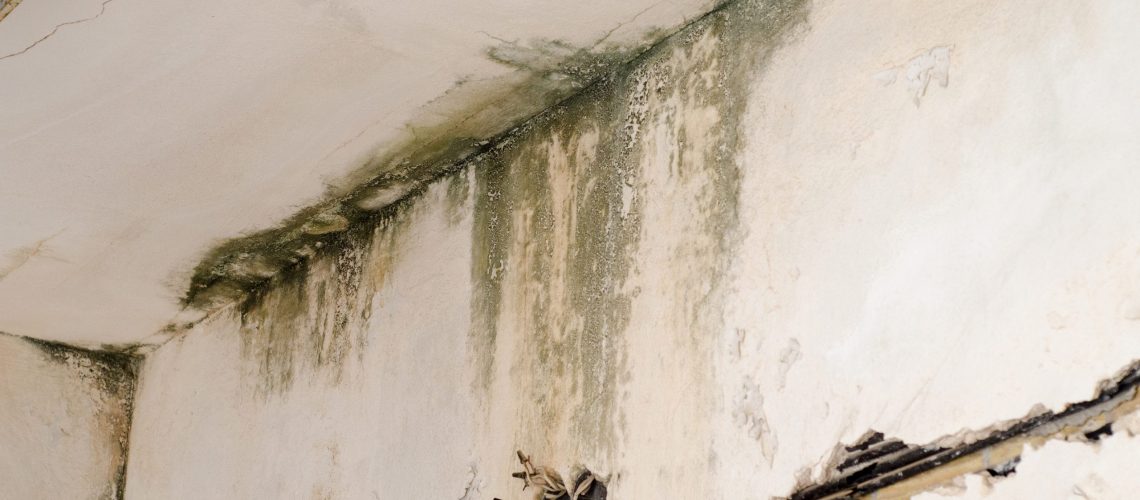
Roof leak damage often starts with a visible stain, drip, or ceiling bubble, but the real claim issue is usually cause and scope. Was the leak tied to storm, wind, hail, hurricane, sudden opening, failed flashing, age, maintenance, or another condition? The insurance company may inspect the roof and conclude the damage is excluded or limited. A policyholder may see interior damage but not have the documentation needed to connect all related repairs.
Bay Area Public Adjusters lists roof leak damage as one of its services and explains that roof leaks can affect walls, ceilings, floors, mold risk, and repair costs. That is exactly why documentation matters early.
What evidence helps a roof leak claim
- Photos of roof surfaces, missing shingles, lifted shingles, punctures, flashing, vents, gutters, and interior staining.
- Dates of storm, wind, hail, hurricane, or leak discovery.
- Emergency tarp or mitigation receipts.
- Moisture readings, dry-out records, and restoration notes.
- Roofing or contractor estimates that separate roof, interior, and mitigation work.
- Insurance inspection notes and claim-payment breakdowns.
The better the file, the easier it is to explain what happened, what was damaged, and what repairs are connected to the covered loss.
When a public adjuster may help
A public adjuster can be useful when the insurer says the roof damage is wear and tear, pays only for a small repair while interior damage remains, misses related water damage, or undervalues the cost to restore the property. In Texas, TDI notes that public insurance adjusters can negotiate with the insurance company to settle a claim. In Florida, DFS notes that public adjusters represent the policyholder in the claim process.
Florida and Texas buyer-intent situations
In Florida, roof leaks often follow hurricane, tropical storm, wind, or heavy rain events. In Texas, roof leak disputes often follow hail, wind, tornado, thunderstorm, or severe weather damage. Bay Area Public Adjusters serves both states, including major Florida and Texas cities listed on its site.
Quick questions
What if the insurance company says my roof leak is old damage?
Ask for the basis of that decision and gather documentation around the date of loss, storm history, photos, contractor findings, and interior water damage.
Should I repair the roof before the claim is settled?
Emergency mitigation may be necessary to prevent more damage. Keep photos, invoices, and records before and after any temporary repairs.
Can Bay Area Public Adjusters help with roof leak claims?
The site lists roof leak damage as a service area for property insurance claim representation in Florida and Texas.
Need help with a property insurance claim?
Bay Area Public Adjusters represents policyholders, not the insurance company. If your property in Florida or Texas has damage from water, roof leaks, fire, smoke, storms, hurricane, wind, hail, or a denied/underpaid claim, call for a free inspection and claim review.
Florida: (727) 380-0580
Texas: (214) 470-8137
Email: info@bayareapa.com
Helpful official resources
- Florida Department of Financial Services: Public Adjusters
- Texas Department of Insurance: Public Adjusters
- United Policyholders: Questions to Ask Before Hiring a Public Adjuster
Sources used for general consumer context: Florida Department of Financial Services public adjuster guidance, Texas Department of Insurance public adjuster guidance, and United Policyholders claim-help resources. This article is general information, not legal advice or a promise of claim outcome.
