Quick answer: After a Dallas–Fort Worth hail or wind event, stay off the roof, photograph visible damage from safe locations, record interior leaks, report the loss promptly and keep every temporary-repair receipt. A dent or roof mark is not automatically covered hail damage; the policy, cause of loss and qualified inspection all matter.
North Texas property owners often need to make decisions before the full condition of a roof, exterior or interior is known. The best first step is not a coverage conclusion. It is a clean, dated record that shows what changed, what was done to prevent additional damage and what each professional later found.
Dallas–Fort Worth hail damage claim checklist
1. Protect people before property
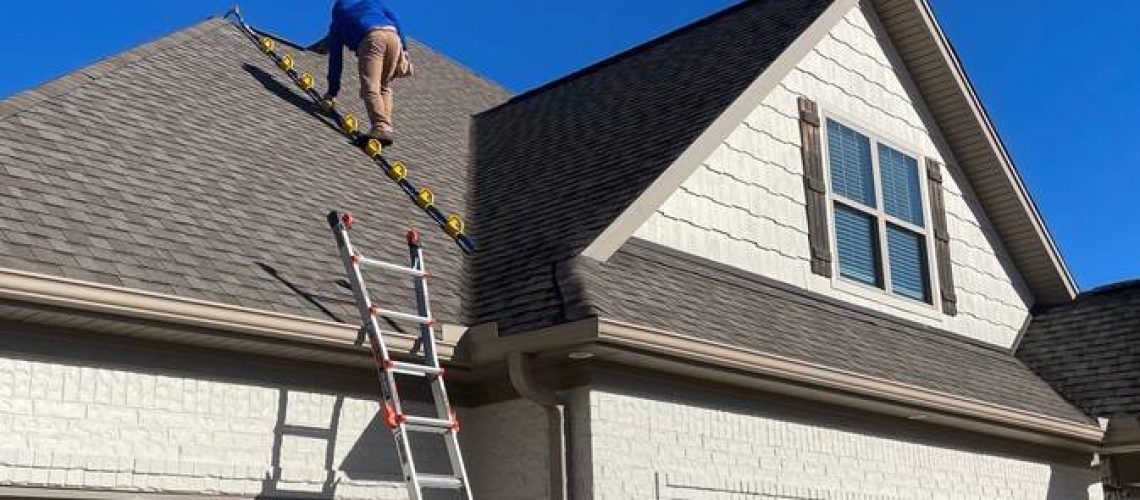
Do not walk on a wet, steep or visibly damaged roof. Keep away from fallen power lines, unstable trees, broken glass and standing water near electrical sources. Use emergency services, utilities and qualified contractors when there is an immediate hazard.
2. Record the event and discovery
Write down the date and approximate time of the storm, where you were and when you first noticed damage. Save relevant alerts or photographs you personally received. A weather report may provide context, but it does not by itself prove that a particular mark, leak or component failure is covered.
3. Photograph visible exterior damage from the ground
Start with wide images of each side of the property, then use closer images where it is safe. Consider the following areas:
- Roof edges and visibly displaced or missing materials
- Gutters, downspouts, vents and metal flashing
- Windows, screens, doors and garage doors
- Siding, paint and exterior finishes
- Fences, gates and detached structures
- Outdoor equipment, including visible air-conditioning fins
- Vehicles or personal property affected by the same event
Do not label every dent as hail damage. Note the location and visible condition, then let qualified professionals assess cause and repair scope.
4. Check the interior
Look for new ceiling stains, dripping, damp insulation, wall discoloration, bubbling paint, wet flooring and affected contents. Photograph the wider room before close-ups. If water is entering, place containers or protective coverings where safe and arrange necessary mitigation.
5. Report the claim and build one claim file
The Texas Department of Insurance advises consumers to file as soon as they can, take photographs and video, prevent further damage and keep receipts. Record:
- Policy and claim numbers
- Date, time and method of reporting
- Names and contact details for each adjuster
- Copies of portal submissions, emails and letters
- Photographs, videos and estimates
- Invoices and proof of payment for temporary work
- A call log with the date, person and next action
6. Document temporary repairs
A temporary tarp, board-up or water-removal service may be needed to reduce additional damage. Take before-and-after photographs and keep an itemized invoice. Ask the insurer about inspection and approval requirements before permanent work when circumstances permit.
Do not sign a blank contract, and do not allow anyone to describe unrelated or pre-existing conditions as storm damage. In Texas, a contractor and a public adjuster have different roles. TDI says a public adjuster handling the claim cannot also act as the contractor on that claim.
Preparing for the insurer’s roof and property inspection
Use a written list so nothing is overlooked. The Texas Department of Insurance recommends being present when practical and pointing out damage. Provide safe access to affected areas and tell the adjuster about any emergency work already completed.
Useful records include:
- Pre-loss photographs or listing images, if available
- Roof installation, repair and maintenance records
- Receipts and warranties
- Interior leak photographs and moisture-remediation records
- A detailed contractor estimate
- Reports from qualified roofing, engineering or other specialists
For a broader preparation process, review Bay Area Public Adjusters’ roof damage claim service and property claim services.
How to compare the insurer’s estimate
When the written estimate arrives, compare it with the inspected areas, photographs and qualified repair scopes. Check addresses, measurements, quantities and the specific components included. Separate three questions:
- Was the condition documented?
- What caused it?
- Does the policy cover that cause and repair?
Those questions are related but not identical. A contractor may explain repair requirements, while the insurer determines its coverage position under the policy. If you believe the estimate omitted documented damage, identify each item and send supporting material in writing. TDI advises policyholders who disagree to explain why and provide records such as a contractor’s estimate.
Common documentation gaps after a hailstorm
- Only photographing close-ups, with no image showing where the damage is located
- No record of the interior or attic after a roof leak
- Discarding damaged materials before they are documented
- Paying cash without an itemized invoice
- Mixing damage from different dates into one claim file
- Assuming the contractor’s price automatically establishes insurance coverage
- Failing to keep a copy of what was sent through the insurer’s portal
Organization will not create coverage, but it makes the facts easier to evaluate.
When a Texas public adjuster may be considered
A licensed public adjuster may help a policyholder organize the loss, prepare a documented repair scope, review the insurer’s estimate and communicate claim differences. This may be considered when damage is extensive, several buildings or systems are involved, or the written estimate appears to omit supported work.
Hiring a public adjuster is optional and fee-based. It does not guarantee that the insurer will cover the loss or increase payment. Review TDI’s public-adjuster consumer guidance, verify the license and understand the written agreement before signing.
Bay Area Public Adjusters serves Texas policyholders, including homeowners and businesses in Dallas, Fort Worth and surrounding North Texas communities. If you want a documented review of a hail, wind or roof claim, contact the team.
Frequently asked questions
Should I climb onto the roof to take hail pictures?
No. Photograph what is visible from safe ground-level positions and use a qualified professional for roof access and assessment.
Does a hail mark mean the roof must be replaced?
Not necessarily. Repair requirements depend on the material, condition, cause, extent of damage and professional findings. Insurance coverage and payment depend on the policy and insurer’s evaluation.
Can I make temporary repairs before the adjuster arrives?
Necessary steps to prevent additional damage may be appropriate. Photograph the condition before and after, keep receipts and ask the insurer about its inspection requirements before permanent work when possible.
What if the estimate misses gutters, vents or interior damage?
List each item, attach photographs and supporting estimates and ask the insurer to review the written estimate. Keep proof of submission and the insurer’s response.
Official consumer sources
- Texas Department of Insurance: Steps to getting an insurance claim paid
- Texas Department of Insurance: Working with an insurance adjuster
- Texas Department of Insurance: Public adjusters
This article provides general information, not legal advice or a coverage determination. Policy language, the facts of the loss and current Texas rules control each claim.
