Quick answer: Before an insurance adjuster inspects damaged property, create a dated photo and video record, write a room-by-room damage list, collect emergency-repair receipts and keep the policy, claim number and correspondence together. Attend the inspection if it is safe and practical, point out every documented area and avoid guessing about causes you cannot verify.
An adjuster inspection is easier to manage when the evidence is organized before anyone arrives. The objective is not to argue on site. It is to make the property accessible, show the known damage, answer factual questions and preserve a reliable record of what happened.
Start with safety and damage control
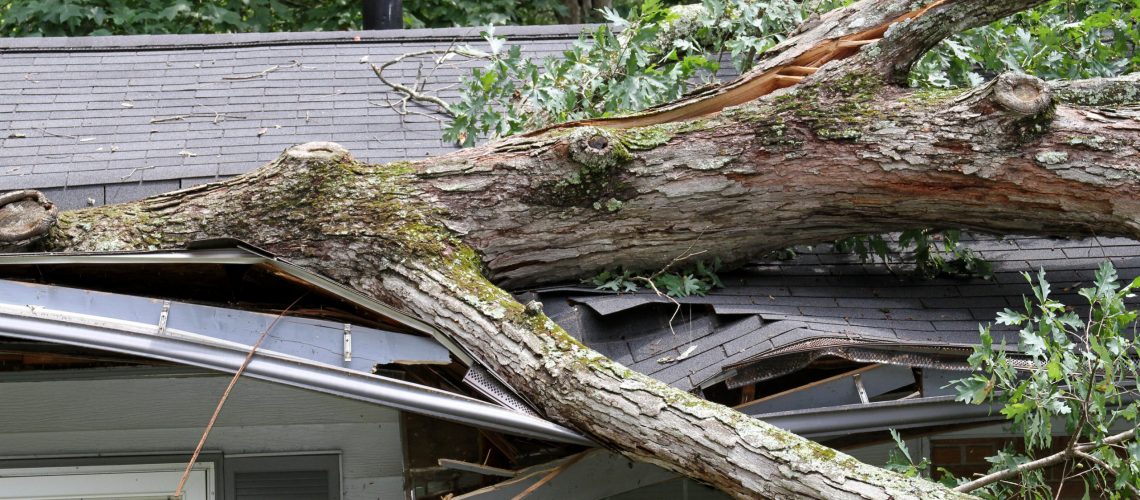
Do not enter an unsafe structure or climb onto a damaged roof. Follow emergency officials, utility providers and qualified professionals when there are electrical, gas, structural, fire, contaminated-water or mold concerns.
Once it is safe, take reasonable steps to prevent further damage, such as arranging a temporary roof covering or stopping an active leak. Both the Texas Department of Insurance and the Florida Department of Financial Services’ Disaster Assistance Insurance Helpline guide tell consumers to document damage, make necessary temporary repairs and keep receipts.
Temporary protection is not the same as beginning a full rebuild. Photograph the condition before and after emergency work, retain invoices and ask the insurer about inspection requirements before permanent repairs or disposal whenever circumstances allow.
Insurance adjuster inspection checklist
1. Claim and policy information
- Policy and declarations pages
- Claim number and reported date
- Insurance company and agent contact details
- Adjuster’s name, email and telephone number
- Deductible information shown in the policy
- Any letters, emails, portal messages or requests already received
2. A simple loss timeline
Write down when the damage was discovered, what you observed, when the claim was reported and what emergency actions followed. Include contractor visits, water extraction, tarping, temporary relocation and important calls. Separate what you personally observed from what a contractor or other specialist later reported.
3. Wide and close-up photographs
Begin with exterior and room-wide images that establish location. Then take close-ups of individual damage. Photograph adjoining rooms, ceilings, floors, walls, windows, doors, appliances and visible mechanical systems as relevant. Video can show how the areas connect, but it should supplement rather than replace clear still photographs.
Use file names or folders that identify the date and location, such as Kitchen-ceiling-2026-07-22. Keep an untouched backup. For water losses, the existing guide on documenting a water-damage claim provides a more detailed room-by-room method.
4. A damage inventory
Create a list by room or area. For building damage, note the item and visible condition without deciding coverage: “water staining and softened drywall beside the north window” is more useful than “the insurer must replace the wall.” For personal property, record the item, brand, model, approximate purchase date, quantity and supporting receipt or photograph when available.
5. Emergency-repair and expense records
- Mitigation and drying invoices
- Temporary tarps, boarding or plumbing repairs
- Hotel or temporary accommodation records, if applicable
- Cleaning, storage or moving costs
- Receipts for materials purchased to protect the property
Keep these records even when you are unsure whether a cost is covered. Coverage and reimbursement depend on the policy and facts; the documentation simply preserves the evidence.
6. Contractor and specialist information
Collect written estimates already obtained, along with licenses, scope details and photographs supplied by the contractor. An estimate should describe quantities and work rather than present one unexplained total. Engineering, plumbing, electrical, roofing or environmental opinions should come from appropriately qualified professionals.
What to do during the inspection
The Texas Department of Insurance advises policyholders to be present when possible so they can point out damage. Walk the property in a logical order and use your written list. Let the adjuster inspect independently, then identify areas that have not yet been viewed.
- Ask what areas the adjuster needs to access.
- Provide requested records in copies or through a trackable digital method.
- Take notes about rooms inspected, measurements taken and documents requested.
- Give factual answers. If you do not know, say so and offer to find the record.
- Ask when the estimate or written decision is expected and how to submit additional material.
Avoid signing an inaccurate statement or a document you do not understand. Do not agree that all damage has been identified merely because the initial inspection is complete; concealed or additional damage may require professional evaluation. Equally, do not describe unrelated wear, pre-existing conditions or uncertain marks as part of the loss.
What to do after the adjuster leaves
Send any promised documents promptly and keep proof of delivery. Add the inspection date and key points to the claim timeline. When the insurer’s estimate arrives, compare it line by line with the visible damage, contractor scopes and your inventory.
Look for:
- Rooms or elevations that were inspected but not listed
- Missing quantities or measurements
- Damaged items not included
- Differences between temporary work and permanent repair
- Requests for information that remain unanswered
A difference does not automatically mean the estimate is wrong or that an item is covered. Ask the insurer for an explanation and support any response with photographs, estimates, invoices or specialist findings. TDI’s guidance says policyholders who disagree should tell the company why and provide supporting documentation.
Special considerations for Florida and Texas owners
In Florida, the state disaster guide says to report damage before signing repair contracts, photograph damage before and after emergency repairs and verify contractor licenses. In Texas, TDI recommends filing promptly, taking photographs and video, keeping receipts and documenting communications. Those are sound process steps, but exact duties and time limits come from the policy and current law.
If the loss involves roof damage, fire and smoke, or water or mold concerns, use specialists qualified for that condition. One inspection cannot replace a necessary safety or technical assessment.
When an independent claim review may help
A policyholder may seek a licensed public adjuster when the loss is extensive, the documentation is fragmented, the insurer’s estimate appears to omit supported items or the owner needs help managing the claim. Review the services and fee agreement before signing. Public-adjuster involvement does not guarantee coverage, payment or a particular settlement.
Bay Area Public Adjusters serves residential and commercial policyholders in Florida and Texas. To discuss the inspection record, insurer estimate and supporting documents, request a claim review.
Frequently asked questions
Should I clean up before the insurance adjuster arrives?
Address immediate safety and prevent additional damage, but photograph and video the condition first when safe. Keep receipts and ask the insurer before permanent repairs or disposal where practical.
Should I be present for the inspection?
When it is safe and practical, yes. Being present lets you identify documented areas and answer factual questions. If you cannot attend, provide a labeled damage list and arrange access through a trusted representative.
Can I give the adjuster a contractor’s estimate?
Yes. A detailed estimate can support the claim record, although it does not by itself determine coverage or the amount owed. Keep a copy and proof of delivery.
What if the insurer’s estimate misses damage?
List each apparent omission, attach photographs or estimates and ask the insurer to review it in writing. If the issue remains unresolved, consider the options in the policy and guidance from the relevant state insurance regulator.
Official consumer sources
- Texas Department of Insurance: Steps to getting an insurance claim paid
- Texas Department of Insurance: Working with an insurance adjuster
- Florida DFS: Disaster Assistance Insurance Helpline guide
This checklist is general information, not legal advice or a coverage determination. Follow emergency guidance and the requirements of your policy and insurer.
